The next frontier of data centre energy
What if data centres could help grow our food?
FARMDC aims to connect underused data-centre heat with nearby temperature-controlled food growing, starting with a safe, measurable modular prototype — off-site, before any live connection.
Farmwall brings existing food-growing expertise. The FARMDC heat integration is the next step to prove.
Data-centre waste heat could help grow food.
Instead of rejecting all server heat, FARMDC proposes recovering some of it safely to support nearby food growing.
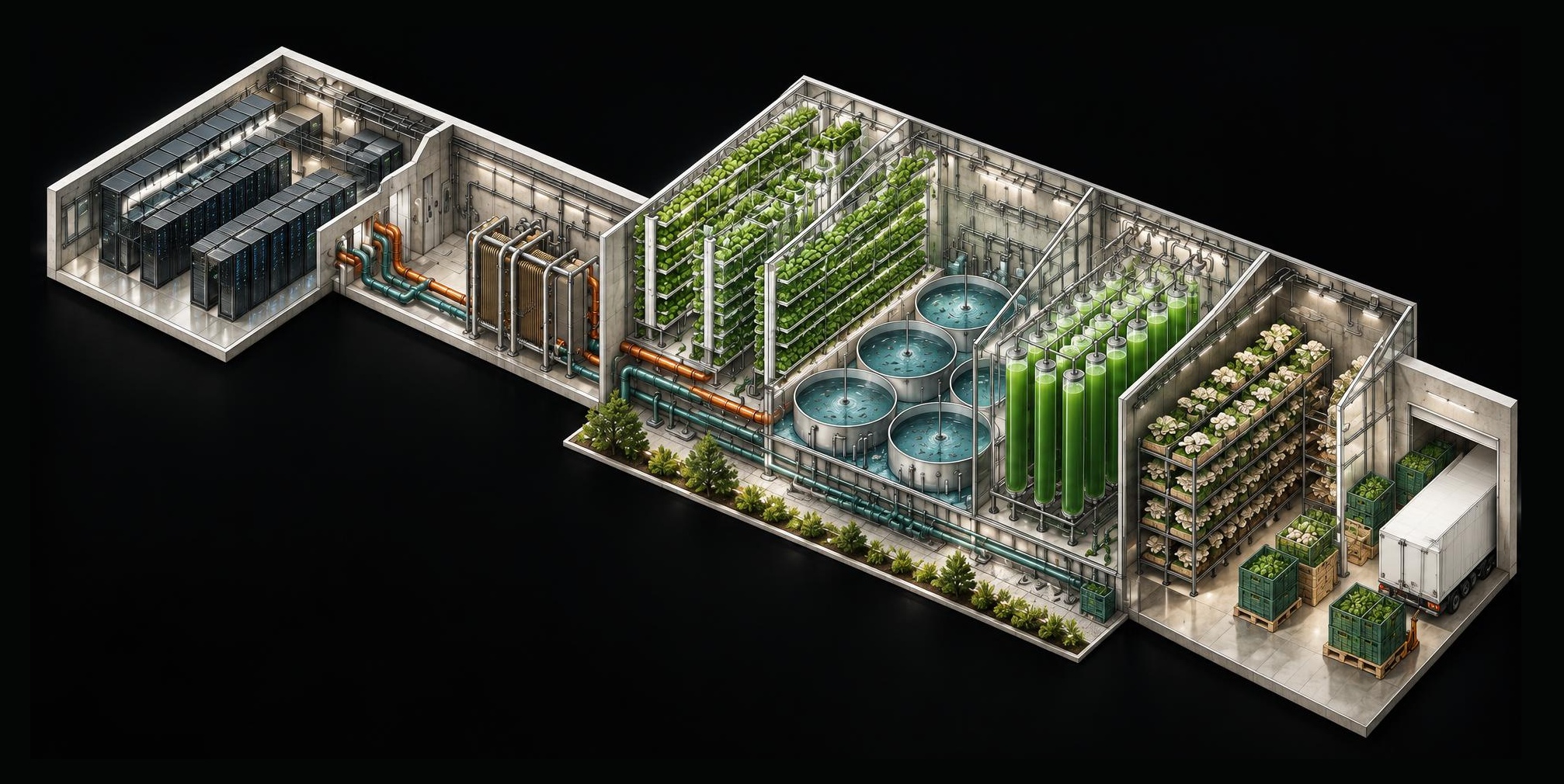
- AData centre
- BIsolated heat recovery / converter
- CVegetable growing
- DAquaculture / fish
- EAlgae cultivation
- FProduce storage & delivery
Vegetables first · fish and algae are future possibilities.
Long-term concept vision, not yet built. Recovered heat supports temperature control only — not electricity or CO₂ — and host coolant stays in its own sealed loop.
01 · Proposed development plan
Prototype first. Live data centre later.
A three-phase plan. The first build is a controlled, off-site prototype — not connected to an operating data centre — pairing an isolated thermal interface with Farmwall modular vegetable growing.
- 01
Controlled heat source
Simulated source temperatures · no live data-centre connection
- 02
Isolated thermal interface
ENESYS-style heat exchanger · no shared fluids
- 03
Metered secondary loop
Heat meters on supply and return
- 04
Local safety controls
Isolation, leak detection, backup heating · auxiliary electricity metered
Farmwall modular units
Vegetable growing · baseline biological performance
Phase 1 · First step
Controlled off-site prototype
Trials with a simulated, controlled heat source at exploratory test temperatures — independent of any live data centre. Tests the isolated thermal interface, Farmwall modular vegetable growing, metering, local safety controls, baseline biological performance and core software/data architecture.
Phase 2 · After Phase 1
Independent validation
Independent review of thermal balance, auxiliary electricity, crop outcomes, safety, monitoring, and measurement and verification.
Phase 3 · Conditional
Conditional live data-centre demonstration
Only after host access, engineering, safety review and approvals. Host cooling stays independent, with full bypass and no shared fluids.
Prototype objectives
What the controlled prototype would test, against a baseline without recovered heat.
- 01Heat transfer and temperature stability
- 02Local safety controls and isolation
- 03Auxiliary electricity use
- 04Metered thermal energy
- 05Crop outcomes vs baseline
- 06Core software and data architecture
Test temperatures are exploratory bands, not verified host temperatures. ENESYS is a proposed collaborator, subject to scope and agreement. Fish and algae are not part of the prototype. Farmwall’s existing operations show biological growing capability — not FARMDC industrial heat deployment.
02 / Future host integration · technical system
How a live data-centre connection could work — later, and only if approved.
Conceptual Phase 3 integration, conditional on evidence and host approval: independent host cooling with bypass, an isolated heat exchanger, a metered secondary loop and modular vegetable growing. No shared fluids and no committed host.
Swipe to explore the diagram →
S1 · Independent, host-controlled
Host data centre cooling
The data centre's own cooling system stays primary and under the host's control at all times. A full-capacity bypass means heat can always be rejected conventionally if the reuse side is unavailable.
Host cooling is never dependent on the heat-reuse system.
What would be measured
- IT load (kW)— —
- Supply / return temperature— —
- Bypass state— —
- Cooling availability— —
Metric labels only. Values to be established through measurement.
Layer 1 · Local, safety-critical
Hardwired protection on site
Physical isolation, leak detection, full bypass, backup heating and local controls. These act on site and never depend on software or network connectivity.
Layer 2 · Proposed, not yet developed
Secure operational software
A proposed higher layer for data collection, optimisation, monitoring and alerts, measurement and verification, and deployment configuration. It would sit above the safety layer, never replace it.
One heat source. Three food systems.+
Primary
Vegetables
Farmwall modular controlled-environment crop growing — the proposed initial application.
Conditional
Fish
Conditional: separate warm-water recirculating aquaculture, subject to species and water-quality feasibility. Any nutrient or water transfer to crops would be treated and monitored.
Exploratory
Algae
Potential temperature-controlled photobioreactors. CO₂ for photosynthesis is sourced separately — not from data-centre heat.
Recovered heat is thermal energy, not a source of CO₂. Data-centre cooling stays isolated: host coolant never mixes with fish or crop water. These are concept and research pathways, not built FARMDC systems.
03 / Problem
Data centres throw heat away. Growing food buys it.
Data centres
Heat is a cost to reject
Almost all electricity used by servers becomes heat. Operators spend energy and money to reject it to atmosphere, continuously.
Controlled-environment growers
Heat is a cost to produce
Indoor and protected growing needs stable temperatures, and growers pay for the thermal energy to maintain them.
04 / Potential customers
Two sides of a potential heat market.
FARMDC needs a workable match between hosts with heat and growers who can use it. Demand and willingness to pay remain customer-discovery hypotheses.
Heat supply
Data-centre hosts
Potential incentive: useful heat reuse and better energy outcomes. Adoption depends on operationally independent cooling, full bypass, clear responsibilities and a credible site-level business case — without compromising uptime.
Heat demand
Growers & site partners
Potential incentive: reliable, affordable heat for controlled-environment growing. Adoption depends on proximity, suitable temperatures, backup supply, site access and costs that work for crop production.
05 / Differentiated hypothesis
The hypothesis is in the integration.
Beyond heat-recovery engineering alone or urban farming alone: combine a practical growing demand with a safe thermal boundary, measured operation and food-growing know-how.
01
Modular productive demand
Size and stage vegetable-growing demand around available heat, nearby space and crop requirements.
02
Isolated thermal interface
Transfer heat without shared fluids or dependence on the reuse system for host cooling; preserve bypass and local safety controls.
03
Measurement & controls
Build an evidence base through thermal and electricity metering. Future monitoring and optimisation software would sit above independent local safety controls.
04
Operational growing know-how
Farmwall experience informs crop conditions and day-to-day growing. Learning across heat integration and food operations could build a repeatable delivery capability.
A potential basis for differentiation, not a proven moat or a claim of patented, unique or validated proprietary technology. Proposed software is not yet built.
06 / Exploratory commercial model
How FARMDC could earn revenue.
Start with paid feasibility, design, integration and installation projects; explore recurring services as deployments mature. This is a proposed model: pricing, margins and product-market fit are not proven.
How FARMDC may capture value
Proposed direct revenue — project-led first.
Initial project revenue
Feasibility, design & delivery
Proposed initial revenue from site feasibility, design, thermal integration and installation with modular growing. Scope and willingness to pay must be tested.
Future recurring potential
Monitoring & optimisation
Possible future recurring revenue from monitoring, optimisation and measurement-verification services. The supporting software is proposed, not yet developed.
Value created for customers
Benefits to hosts and growers — not automatically FARMDC revenue.
Host benefit
Host cooling electricity
A possible reduction in the host's cooling electricity. Unverified; to be measured against a baseline.
Grower benefit
Avoided purchased heat
Potential savings if metered recovered heat replaces purchased heat at a lower total cost, including auxiliary electricity and backup supply.
Grower revenue
Produce sales
Vegetable sales — and fish sales only if aquaculture proves feasible. Revenue for the grower or operating partner, unless FARMDC operates or shares in sales.
07 / Why now
Two pressures are rising at the same time.
01
The data-centre energy challenge
Data-centre growth is putting energy use, cooling and community impact under closer scrutiny. Productive use of heat is becoming a more relevant question.
02
Resilient local food systems
Interest is growing in reliable food production closer to cities, less exposed to climate and supply-chain disruption.
08 / Next milestones
Evidence before engineering.
The integrated FARMDC product has not yet been deployed. No prototype or pilot exists, and no performance has been validated. Customer discovery runs throughout. No host site is committed.
Milestone 1 · Next
Controlled prototype
Off-site trials with a simulated heat source. Gate: stable heat transfer, safe isolation and crop baseline recorded.
Milestone 2 · Planned
Independent validation
Independent review of thermal, electrical, crop and safety results. Gate: results verified.
Milestone 3 · Conditional
Conditional live demo
Gate: host access, engineering, safety review and approvals in place.
Milestone 4 · Potential
First commercial deployment
Gate: validated demo results and a willing customer.
Milestone 5 · Potential
Network expansion
Gate: repeatable deployments with measured outcomes.
Startmate Summer 2027 application
What we need to prove next.
We are applying to Startmate, an accelerator with investment potential. Its mentorship and network could help us test the business model, reach potential partners and assess venture-scale potential. Acceptance, investment and endorsement are not confirmed.
Technical safety & energy balance
Prove isolation, stable growing temperatures and useful heat after auxiliary electricity in the controlled prototype.
Demand & host interest
Test grower needs, willingness to pay and host interest — including practical adoption barriers.
Independent validation
Seek independent review of thermal, electrical, safety and crop results against a baseline.
A conditional route to a host
Progress only with evidence, host access, engineering review and approvals; no live host is committed.
09 / Team & stage
The people building FARMDC.
Growing systems, commercial strategy and growing operations in the core team, with proposed external engineering support. FARMDC is at idea stage, applying to Startmate Summer 2027.
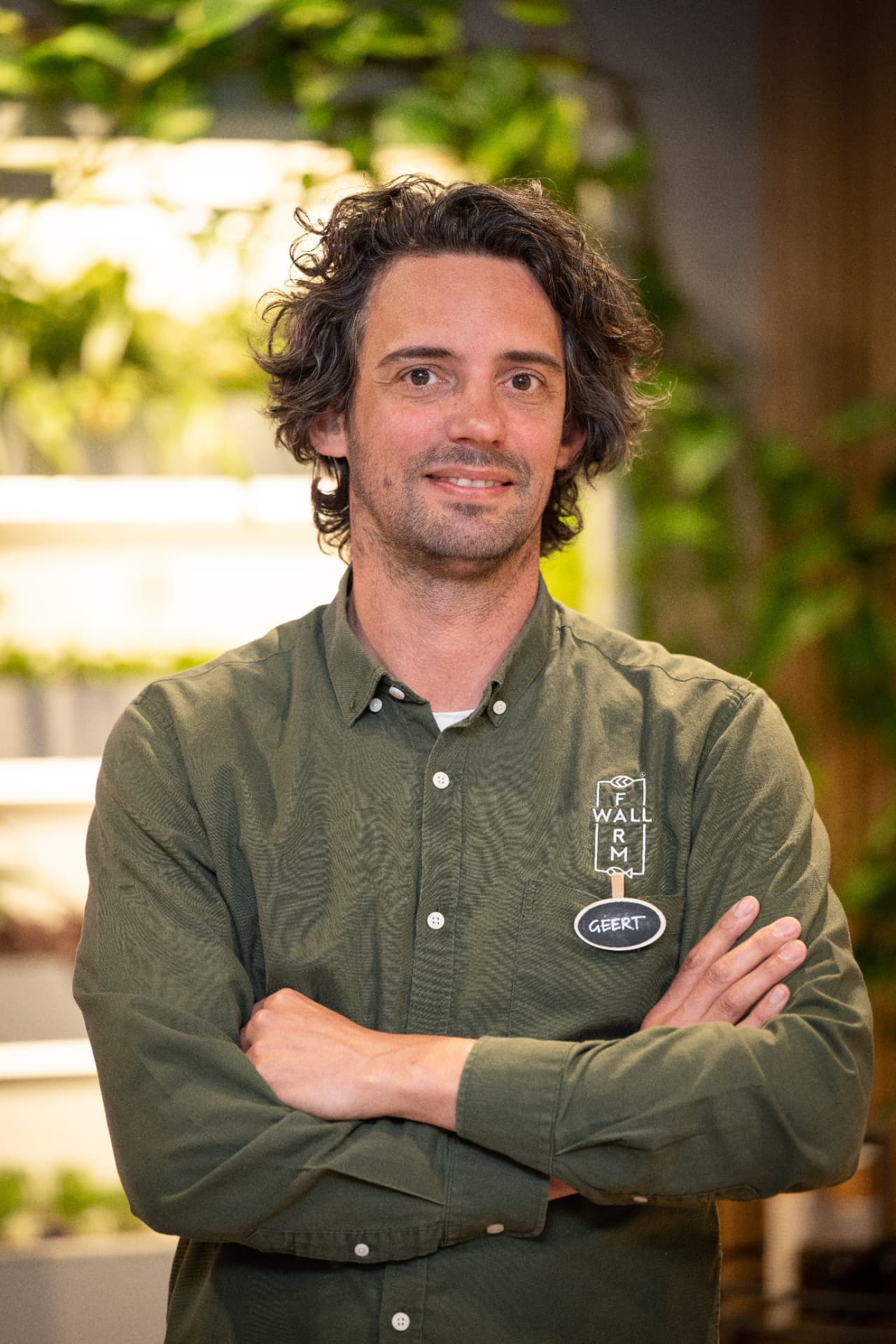
Geert Hendrix
Co-founder · Growing systems
Founder of Farmwall, which designs modular controlled-environment growing systems. Leads FARMDC's growing-system thinking and how recovered heat could serve productive demand.
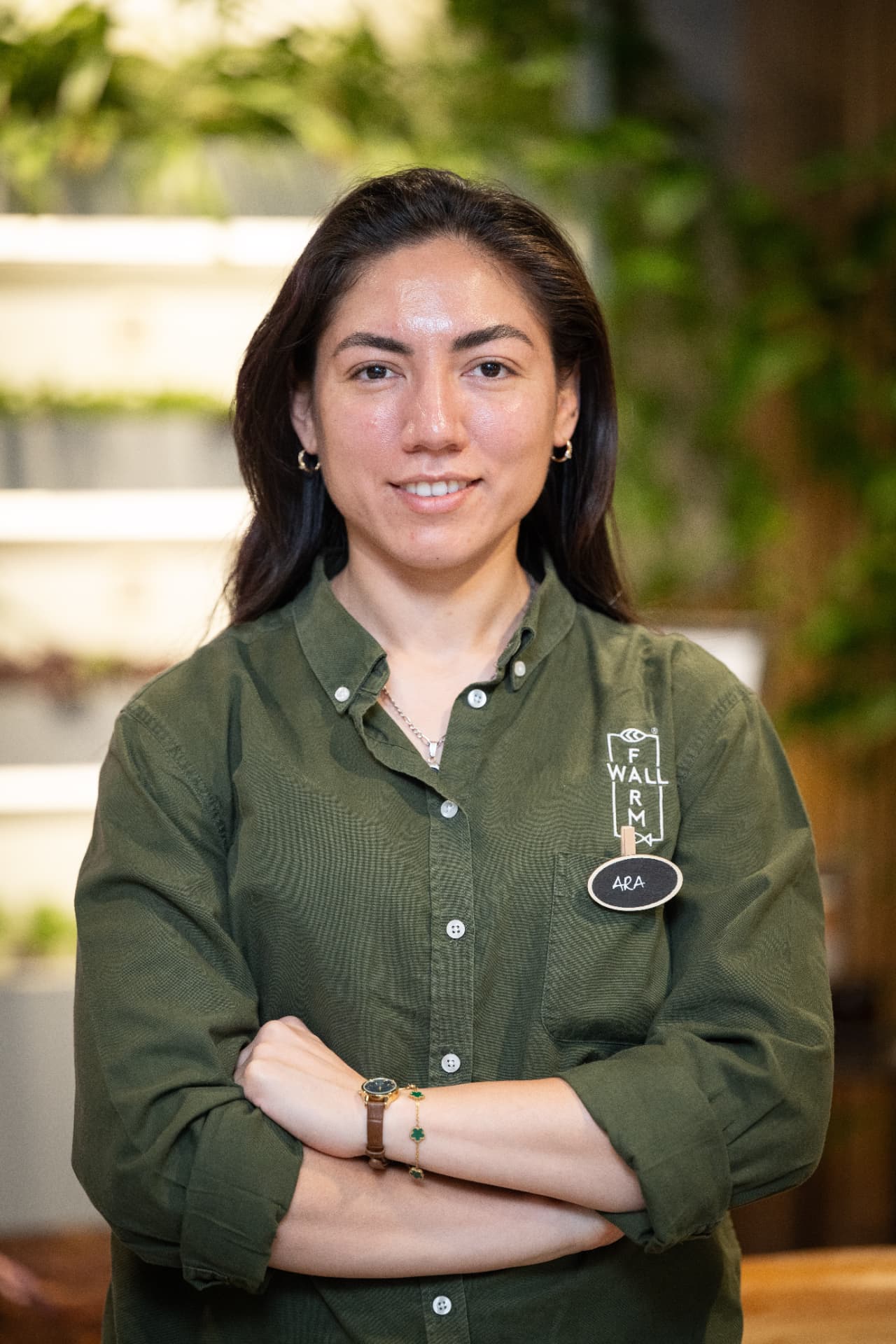
Araceli Ortiz Galeano
Co-founder · Agricultural engineering & growing operations
Agricultural engineer leading growing operations: crop requirements, environmental control and how heat supply translates into practical growing conditions.
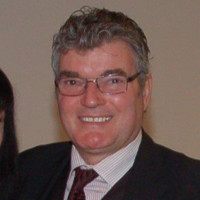
John Norwood
Proposed engineering collaborator · External
Proposed external engineering collaborator on thermal integration and safe separation. Not a co-founder; involvement subject to agreement.

Valérie Neui
Co-founder · Commercial strategy & partnerships
Leads commercial strategy, customer discovery and partnership development with data centre operators, growers and site owners.
Farmwall experience is background expertise, not FARMDC deployments.